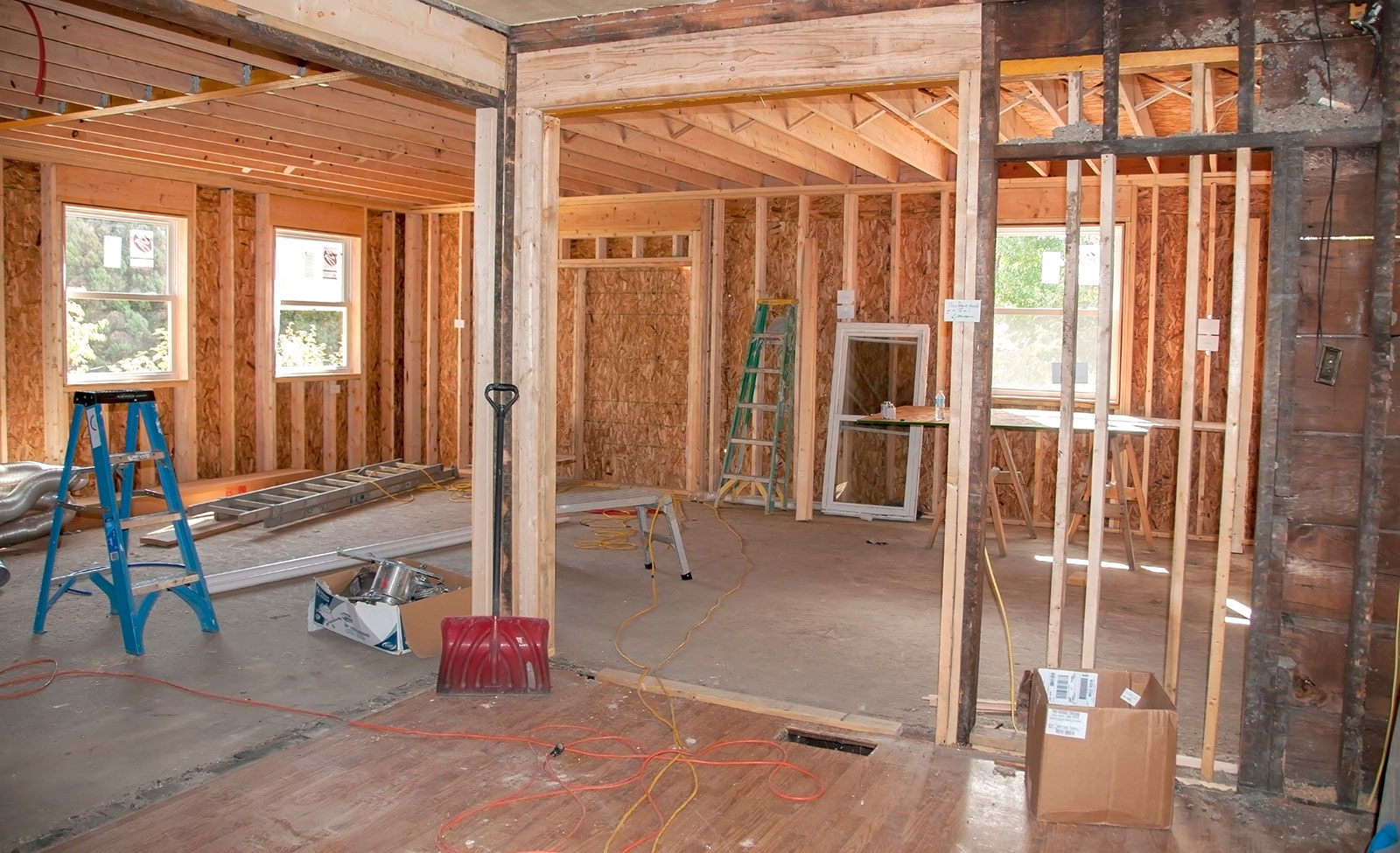
Your home should evolve with your life. You might be welcoming a growing family, creating a dedicated home office, or finally building that dream home addition you’ve always wanted. And adding more space without changing your address always sounds like a good idea.
For Ottawa homeowners considering this investment, understanding the costs, options, and process is essential to making informed decisions.
Here’s everything you need to know to make your dream home a reality.
What Drives the Cost of Home Additions in Ottawa?
Before diving into specific numbers, it’s important to understand that home additions aren’t one-size-fits-all projects. Several factors significantly influence your final budget, and recognizing these early helps set realistic expectations.
Project Scope: When Size Truly Matters
The most obvious cost driver is simply how much living space you’re adding. A modest 200-square-foot sunroom will cost considerably less than a 1,000-square-foot second-story addition.
But size isn’t just about square footage. It’s also about purpose. A family room with basic finishes differs dramatically from a luxury primary suite with custom home features and high-end materials.
Structural Complexity: The Hidden Budget Factor
Some room addition projects require minimal structural intervention, while others demand extensive foundation work, roof modifications, or complex integration with your existing home.
Second-story additions, for example, often require reinforcing the current structure to handle additional weight. Similarly, basement renovations might encounter unexpected drainage issues or require underpinning.
Material Selection: Balancing Quality and Budget
The materials and finishes you choose create a wide spectrum of possible costs. For instance, standard vinyl siding costs far less than custom-matched brick or stone, and laminate countertops differ substantially from quartz or granite.
While it’s tempting to select the most affordable options, remember that craftsmanship and quality materials typically deliver better longevity and home value.
The key is finding the sweet spot where your aesthetic preferences align with practical budget considerations.
Ottawa-Specific Considerations
Location matters, even within the same city. To demonstrate, building in established Ottawa neighbourhoods with limited site access may increase labour costs. Also, heritage district regulations might require specific materials or approval processes.
Furthermore, winter construction can add complexity and expense to the point that work can stop for days on end during bad weather.
That’s why a knowledgeable general contractor familiar with Ottawa’s building codes, permit processes, and seasonal challenges becomes invaluable for navigating these local nuances.
Ottawa Home Addition Costs and Options
While every renovation project is unique, understanding typical cost ranges helps you plan appropriately.
These estimates reflect current Ottawa market conditions and include materials, labour, and basic finishes.
Single-Story Additions: Expanding Your Footprint
Adding horizontal space, whether for a new family room, expanded kitchen, or extra bedroom, typically ranges from $250 to $450 per square foot for a complete build-out.
A 300-square-foot addition might cost between $75,000 and $135,000, depending on complexity and finishes.
Single-story expansions often represent excellent value because they utilize existing foundation approaches and don’t require structural reinforcement of the entire home.
They’re particularly popular for creating main-floor primary suites, home offices for remote workers, or connecting indoor spaces to outdoor living areas.
Second-Story Additions: Maximizing Vertical Space
Going up instead of out makes sense for properties with limited lot space or when preserving yard area matters.
Second-story addition projects typically cost more per square foot, generally $300 to $500, due to structural requirements, temporary roof removal, and the need to ensure the existing foundation can support additional weight.
However, adding a full second floor can nearly double your living space without reducing your property’s outdoor areas.
For a growing family needing multiple bedrooms, this approach often proves more cost-effective than moving to a larger home. This makes sense when you factor in real estate fees, land transfer taxes, and moving expenses.
Bungalow Conversions: Transforming Underused Attics
Many Ottawa homes feature spacious attic areas perfect for conversion. Bungalow pop-top conversions or dormer additions transform these spaces into functional living areas at costs ranging from $200 to $400 per square foot.
These projects maximize your existing home’s potential while maintaining your property’s original footprint.
The design-build approach works particularly well for these conversions, as experienced design teams can assess structural limitations and creative possibilities.
Garage Additions and Conversions: Flexible Space Solutions
Adding or converting a garage offers versatility. A new two-car garage addition typically costs $40,000 to $80,000, while converting an existing garage into living space ranges from $50 to $150 per square foot, depending on how much mechanical work is required.
These projects work wonderfully for creating separate home offices, rental suites, fitness areas, or guest quarters.
The key advantage is that garages already have foundations and basic structures, reducing some construction costs compared to building entirely from scratch.
Sunrooms and Season Rooms: Indoor-Outdoor Living
Ottawa’s beautiful seasons deserve to be enjoyed year-round. Four-season sunrooms, properly insulated and climate-controlled, typically cost between $30,000 and $90,000, depending on size and sophistication.
Three-season rooms, usable from spring through fall, represent a more budget-friendly option at $20,000 to $60,000.
These additions create bright, naturally-lit spaces perfect for everything from morning coffee to evening entertaining, adding both functionality and aesthetic appeal to your Ottawa home.
What Your Money Pays For
Breaking down typical cost allocation helps demystify home addition budgets and explains why comprehensive project management matters.
- Design and Planning (8-15% of budget): Architectural drawings, engineering assessments, and detailed planning prevent costly mistakes during construction. This phase establishes your project’s vision and ensures regulatory compliance.
- Permits and Inspections (1-3%): Ottawa requires proper permits for structural changes, electrical work, and plumbing modifications. While this adds upfront costs, it ensures safety and protects your investment’s resale value.
- Foundation and Structural Work (20-25%): This includes site preparation, excavation, foundation pouring, and framing. These essential elements literally support everything else, making quality workmanship here absolutely critical.
- Exterior Completion (15-20%): Roofing, siding, windows, and doors that match or complement your existing home require both materials and skilled installation.
- Interior Finishing (25-30%): Drywall, flooring, painting, trim work, and built-ins transform framed spaces into beautiful, functional rooms.
- Systems Integration (15-20%): HVAC, plumbing, and electrical systems must extend seamlessly into new spaces, maintaining efficiency throughout your home.
- Contingency (10-15%): Unexpected discoveries happen during renovation projects. This includes hidden structural issues, code requirement changes, or design adjustments. A realistic contingency fund prevents budget stress when surprises emerge.
Smart Strategies for Managing Your Budget
Understanding costs is one thing, but managing them effectively is another. The difference between a home renovation that stays on budget and one that spirals into financial stress often comes down to strategy, not just spending power.
Whether you’re working with a comfortable budget or stretching to make your dream home addition possible, you need to monitor your cash every step of the way.
Start with Clear Priorities
Define what truly matters before meeting with contractors.
Is maximizing square footage essential, or would you prefer higher-quality finishes in a smaller space? Does your growing family need bedrooms now, or is creating flexible spaces for long-term use more important? Clear priorities guide decision-making when budget adjustments become necessary.
Embrace the Design-Build Advantage
Traditional separate-bid projects can create finger-pointing when issues arise. A design-build approach, where the same team handles both planning and construction, streamlines communication, responsibility, and often the timeline.
Many Ottawa homeowners find this integrated model reduces stress and produces more cohesive results.
Value, Experience, and Reputation
The cheapest bid rarely delivers the best value. Research renovation companies thoroughly. Examine their portfolio, read reviews from Ottawa homeowners, verify licensing and insurance, and assess their communication style during the initial consultation.
Years of experience with home renovation projects similar to yours provide invaluable problem-solving abilities when challenges arise.
Think Long-Term Value
While staying within budget matters, consider how choices affect your home’s future value and your daily life.
Energy-efficient windows cost more initially but reduce heating bills for decades. Quality construction prevents premature repairs. Thoughtful design ensures your new space remains functional as your needs evolve.
Consider Phasing When Appropriate
If budget constraints feel overwhelming, explore phasing your renovation project. Complete essential structural work and basic finishes now, then add premium features later.
This approach requires careful planning to avoid expensive rework, but it can make ambitious projects more financially accessible.
Additional Considerations Beyond Construction
A comprehensive budget accounts for the full picture. Not just the hammer-and-nails work, but everything required to make your addition truly functional and financially sustainable.
These often-overlooked factors deserve attention during your initial planning phase, not after the final inspection.
Furnishing Your New Living Room or Bedroom
Budget for furniture, window treatments, and décor that make your extra space functional and inviting. This often-overlooked expense can add 10-20% to your total investment.
Operating Cost Changes
More square footage means higher heating and cooling expenses. Modern construction techniques and quality insulation minimize this impact, but increased utility bills deserve consideration in your long-term planning.
Property Value and Tax Assessment
Home additions typically increase property values. This is excellent for eventual resale, but potentially raises property taxes. In most cases, the added home improvement value outweighs tax increases, but factor this into your complete financial picture.
Insurance Adjustments
Notify your insurance provider about substantial additions to ensure adequate coverage. Increased home value should reflect in your policy limits.
Is a Home Addition Right for Your Ottawa Home?
Home additions make excellent sense when:
- You love your neighbourhood and location.
- Moving costs (real estate fees, land transfer tax, and moving expenses) would exceed home addition costs.
- Your existing home has good bones and structural integrity.
- Local real estate values support the investment.
- Your family’s needs have evolved beyond your current layout.
They may not be ideal if:
- Your property has significant structural issues requiring extensive repair.
- Lot size, setback requirements, or zoning restrictions severely limit your options.
- The home addition cost would exceed neighbourhood home values.
- You’re planning to move within five years.
Ready to Explore Your Home Addition Possibilities?
The best home additions feel like they’ve always been part of your house. They’re seamlessly integrated in style, thoughtfully designed for purpose, and built with the kind of craftsmanship that stands the test of time.
To get to that point, you need the right partners. Capital Home Building brings in-house expertise, transparent project management, and a commitment to quality that transforms your vision into reality.
Let’s discuss how we can create the perfect addition for your Ottawa home.